Supremacy: World War 3
- 4.4
- Rating
- 10.00M
- Installs
- Free
- Price
 Analysis by App-foxy
I went into Supremacy: World War 3 expecting a quick modern-war strategy game and found something much more deliberate: a multiplayer campaign where the important decisions are often made before the next battle is visible. It is free to download, but it asks for patience, planning, and a willingness to live with consequences. If you enjoy watching a map change over time and negotiating with other players, it can become a surprisingly absorbing part of your day. If you want short matches, instant rewards, or a relaxing way to pass five minutes, I would look elsewhere.
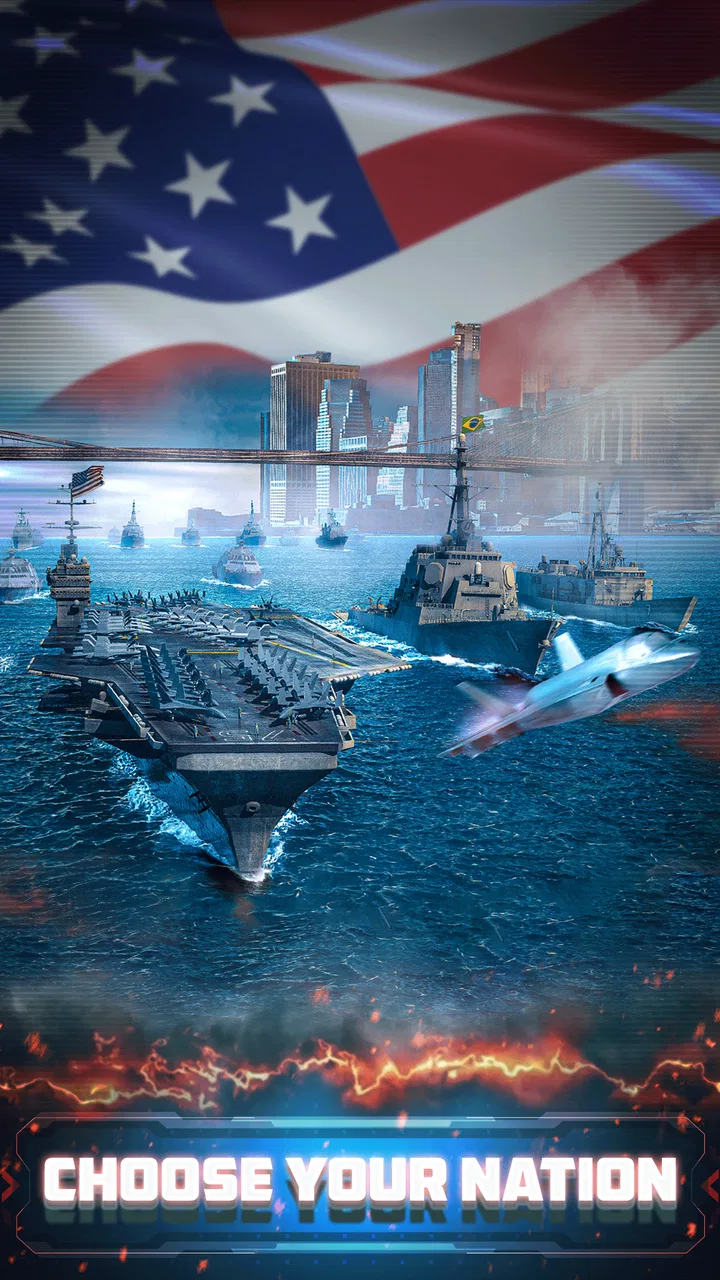
This is a strategy game from Stillfront Supremacy Ltd, built around real-time conflict in a contemporary military setting. Its Teen content rating fits the subject matter and the competitive tone. The game has been available since September 3, 2020, and its current version is 0.224. On Android, it supports devices running at least version 7.1 of the operating system, which makes it accessible to many older phones, although the experience will still depend on the device and connection.
How I decided whether it was worth keeping
My first test was simple: does the game reward actual decision-making, or does it mainly reward tapping through menus? Supremacy sits on the more thoughtful side of that line. You are not just selecting an attack and waiting for a victory screen. You have to consider geography, timing, production, alliances, and the possibility that another player is watching your choices. That makes each campaign feel less like a puzzle with one correct answer and more like a changing situation that needs constant interpretation.
You May Also Like

 Blood Strike: 2.5 Anniversary
Blood Strike’s Loadouts Turn Every Drop Into a Tactical Gamble
A close look at Blood Strike’s custom loadouts: how fast access to signature weapons reshapes its battle royale rhythm, rewards preparation, and narrows the gap between fights.

 Pandora - Music & Podcasts
Pandora’s Music Is Easy to Start, but Harder to Recover
Pandora’s strength is its low-effort path from a seed to a station. Its weak spot is how much confidence it asks you to place in connection, setup, and quiet recovery.

 8 Ball Pool
 Is Built on Rivalries, Rematches, and Routine
A close look at the rivalries, rematches, shared routines, and unanswered safety questions that turn a quick pool match into a persistent mobile community.

 Samsung Music
’s Quiet Strength Is Playing What You Already Own
Its reach comes less from spectacle than from dependable access to a personal library. That simplicity is both the app’s strongest retention engine and its ceiling.

 AccuWeather: Weather Radar
AccuWeather Review: A Quick, Clear Forecast for Everyday Decisions
For everyday plans, the best forecast is the one you can understand quickly. AccuWeather makes rain timing, radar, and local conditions easy to act on, with a few trade-offs.

 Hill Climb Racing
Why Hill Climb Racing Still Turns Crashes Into One More Run
A tiny car, a bumpy hill and one more upgrade: Hill Climb Racing keeps resurfacing because its simple chaos makes every near-miss feel personal.
More From Our News Desk



The second question was whether “real-time” means I must stare at the screen all day. In my experience, it does not require that, but it does punish complete neglect. I could check in, make a few meaningful decisions, and leave the game for a while. However, an opponent can continue acting while I am away, and a plan that looked safe earlier may be weak later. The best routine is not endless play; it is regular attention at sensible moments.
I also looked at how much enjoyment remains when I do not want to spend money. The game is free, with in-app purchases ranging from $0.99 to $899.99 per item. That is a very wide purchase range, so I would approach the store carefully rather than treating every offer as necessary. The core appeal for me comes from reading the map, choosing priorities, and dealing with other players. Anyone who dislikes optional spending pressure should decide in advance what they will and will not buy.
Finally, I considered the social element. This is not a purely private campaign against predictable computer opponents. Human behavior is part of the challenge, which can make a match memorable but also less convenient. A player who enjoys diplomacy and uncertain alliances will see that as a strength. Someone who wants a perfectly controlled solo experience may find it frustrating.
The opening hours reward restraint
My biggest early lesson was not to expand simply because a nearby target looked available. Every new area creates another responsibility, and an ambitious opening can leave the rest of the position exposed. I had better results when I first identified what I needed to protect, what resources or territory mattered to my longer plan, and which opponent was most likely to react.
That sounds obvious, but the interface encourages constant activity. There are always actions that appear available, and it is tempting to fill every moment with construction, movement, or expansion. A more useful habit is to ask what each action changes on the map. If it does not improve security, preparation, or a clear objective, waiting may be the stronger move.
This is one of the game’s less obvious strengths. Supremacy makes patience feel active. Holding a position while gathering information is not necessarily doing nothing. It can force another player to reveal intentions, give your economy time to support the next step, or prevent you from fighting on several fronts at once.
Why the map matters more than a single battle
In many mobile strategy games, the most satisfying moment is the attack itself. Here, I found the surrounding setup more important. A battle can be won and still leave me in a worse position if I have created a gap elsewhere or committed too much to one direction. The map encourages me to think in terms of connected problems rather than isolated victories.
I started using a simple three-part check before committing to a major move. First, I looked at the route and the territory around it. Second, I considered what would happen if the opponent did not respond as expected. Third, I asked whether I could support the new position after the initial success. This prevented several attacks that would probably have looked impressive for a short time but created long-term trouble.
Another useful approach is to treat information as a resource. I paid attention to unexplained movement, changes in pressure, and the behavior of neighboring players instead of focusing only on my own units. That habit is especially valuable for people who normally play turn-based strategy games, because real-time activity can make a quiet rival look harmless until the situation changes quickly.
Diplomacy is practical, not decorative
The multiplayer setting changes how I evaluate success. A strong position is not always the one with the most visible aggression. Sometimes the better decision is to avoid creating a second enemy while another player is already a threat. Communication and negotiation can buy time, redirect attention, or make a risky border easier to manage.
I would not treat every agreement as permanent protection, though. The game is more interesting when diplomacy is viewed as a temporary arrangement rather than a guarantee. I found it useful to make plans that still worked if a partner changed direction. That means keeping defensive options open and avoiding a strategy that depends entirely on another player behaving generously.
This is also where the game may divide people. I enjoyed the uncertainty because it made campaigns feel personal and different from one another. A player who dislikes negotiation, delayed responses, or unpredictable teammates may experience the same design as unnecessary friction. The social layer is not a side activity that can be ignored completely; it is part of how the strategy works.
What makes this different from simpler mobile strategy games
Compared with fast base-building games, Supremacy feels less focused on a constant stream of tiny upgrades. I do not get the same sense that progress comes from checking boxes as quickly as possible. The important question is usually where to apply limited attention, not whether I can keep pressing buttons.
Compared with traditional single-player strategy games, it gives up some control in exchange for a living opposition. I cannot pause human decisions or reload every mistake in the same way. That makes the game less predictable and, in my opinion, more rewarding when a plan succeeds. It also means that a poor start cannot always be repaired through careful play alone.
Compared with short competitive games, its pace is slower and its consequences last longer. I would recommend it to someone who likes campaign-level thinking more than rapid reflexes. I would not recommend it to a player who wants a complete match during a commute or a game session with a guaranteed ending before bedtime.
A realistic daily routine
Imagine starting a campaign before work or school. I would use the first check-in to review borders, confirm that important actions are moving in the intended direction, and look for any unexpected change near my territory. I would then choose one priority instead of trying to improve everything at once. During a lunch break, I might adjust a plan or respond to a developing threat. In the evening, I would make the larger decision once I had time to think through its consequences.
That routine works because the game can be approached in short visits without pretending that every visit is equally important. The danger is opening it repeatedly without a purpose and then making rushed decisions simply to feel productive. I found it more enjoyable when I treated each check-in as a briefing: observe, decide, and leave with a clear next step.
Where the game wins
The strongest part of Supremacy is the combination of a modern conflict theme and long-form multiplayer planning. I like that a campaign can develop through several kinds of pressure: territorial decisions, timing, diplomacy, and the need to protect a plan from other human players. The game does not reduce strategy to choosing the biggest-looking attack.
It also has a useful learning curve. A new player can understand the basic idea quickly, but the deeper lessons arrive through mistakes. I learned more from an overextended position than from a clean victory because the consequences showed me how several small decisions had connected. That kind of feedback is valuable for anyone who wants to improve rather than simply collect easy wins.
The audience size suggests that it has found a substantial mobile community: the game has passed 10 million installs, with an average rating of 4.4 from around 178 thousand ratings and roughly 9.4 thousand written reviews. Those figures do not guarantee that every player will enjoy the pace, but they do make it easier to see why the game continues to attract people who want a serious multiplayer strategy experience on a phone.
Where another category may fit better
I would choose a traditional turn-based strategy game instead if I wanted maximum time to examine every option. Supremacy gives me room to think, but the world continues moving, and that pressure is part of the design. Turn-based alternatives are better for players who want complete control over the clock or who prefer solving a carefully contained scenario.
I would choose a fast arcade strategy game if I wanted immediate action and a clear result. Supremacy can take commitment, and a campaign may remain relevant long after the excitement of the first clash has passed. That is a strength for patient players but a poor match for someone who measures fun in quick rounds.
I would also consider a simpler offline game for travel or unreliable connections. This experience depends on an ongoing multiplayer environment, so it is not the title I would select when I want a self-contained distraction with no social or timing pressure. Its best qualities appear when I can give the campaign regular attention.
The real cost of changing your mind
Because the game is free to start, the biggest switching cost is not the download price. It is the time spent learning how campaigns develop. Early mistakes are part of the education, and abandoning a match because the opening was imperfect can mean losing the chance to understand what went wrong.
There is also a mental cost to moving from a faster strategy game. Supremacy asks me to value preparation over constant visible progress. If I switch from a game that rewards frequent short actions, I may initially feel that the pace is too quiet. Once I understand that observation and timing are meaningful actions, the slower rhythm becomes easier to appreciate.
Money deserves a separate caution. The game is free, but the in-app purchase range reaches from $0.99 to $899.99 per item. I would set a personal spending limit before exploring the purchase options and avoid buying simply because a campaign has become uncomfortable. The most satisfying decisions are strategic ones, not emergency attempts to erase every mistake.
For families, the Teen rating is worth taking seriously because the theme centers on modern warfare and multiplayer conflict. I would not present it as a harmless cartoon diversion for younger children. For adults and older teens who understand the subject matter and competitive setting, the rating is a useful signal about the kind of experience to expect.
Who should install it
I recommend Supremacy to players who enjoy planning across several horizons. You need a short-term response for the immediate threat, a medium-term goal for your position, and a longer-term idea of how you want the campaign to develop. If that sounds satisfying rather than exhausting, the game has enough depth to hold your attention.
It is particularly suitable for someone who likes multiplayer games but does not rely on reflexes. A careful thinker can contribute through positioning, timing, and diplomacy. The game also suits players who enjoy discussing decisions with friends, although I would still build plans that do not collapse if communication becomes unreliable.
I would skip it if I want a completely predictable solo campaign, dislike waiting for actions or situations to develop, or feel pressured by optional purchases. I would also skip it if I only have a few minutes and need a definite conclusion. There are better choices for those needs, even within the broad strategy category.
My recommendation after playing
Supremacy: World War 3 is worth trying if you want a free real-time strategy game that treats the map as a long-term problem instead of a backdrop for quick attacks. I enjoyed the way a quiet decision could matter several steps later, and I appreciated that human opponents made each campaign harder to solve in advance.
My recommendation comes with one condition: give it enough time to reveal its rhythm. Do not judge it only by the opening menus or by the first rushed attack. Start cautiously, keep your borders manageable, watch how other players behave, and make decisions with a fallback in mind. That approach shows the game at its best.
Stillfront Supremacy Ltd has made a demanding mobile strategy experience rather than a disposable war-themed time killer. The 4.4 average and large install base are consistent with a game that clearly appeals to many players, but the same design choices will not suit everyone. If you want meaningful multiplayer planning and can accept a slower, less forgiving pace, I think it deserves a place on your phone.
FAQs for Supremacy: World War 3
01What is the main objective of Supremacy: World War 3?
Supremacy: World War 3 is a strategic war game where players aim to dominate the world by building military strength, forming alliances, and strategizing against opponents. The main objective is to expand your territory and become the most powerful nation while tactically managing resources and diplomatic relations.
02What platforms is Supremacy: World War 3 available on?
Supremacy: World War 3 is available on both Android and iOS platforms. You can download the game from the Google Play Store for Android devices and the Apple App Store for iOS devices, making it accessible to a broad range of users with smartphones and tablets.
03Are there in-app purchases in Supremacy: World War 3?
Yes, Supremacy: World War 3 offers in-app purchases. These can enhance gameplay by allowing players to acquire additional resources, speed up building processes, or purchase special items. While the game can be enjoyed without spending money, purchasing options are available for those who wish to progress more quickly.
04Do I need an internet connection to play Supremacy: World War 3?
Yes, an internet connection is required to play Supremacy: World War 3. As a multiplayer game that involves real-time interactions with other players, maintaining a stable internet connection ensures smooth gameplay and allows you to engage in strategic alliances and battles effectively.
05How does the alliance system work in Supremacy: World War 3?
In Supremacy: World War 3, players can form alliances with others to strengthen their position. Joining an alliance allows for shared resources, coordinated attacks, and defense strategies. Communication with alliance members is crucial for planning and executing successful campaigns, making teamwork an essential element of the game.
Pros
- Engaging real-time strategy gameplay.
- Detailed world map with multiple countries.
- Customizable military units and tactics.
- Frequent updates with new features.
- Active community with multiplayer support.
Cons
- Requires constant internet connection.
- High learning curve for beginners.
- In-app purchases can be costly.
- Occasional server lag issues.
- Limited offline game modes.

Supremacy: World War 3
Gallery